


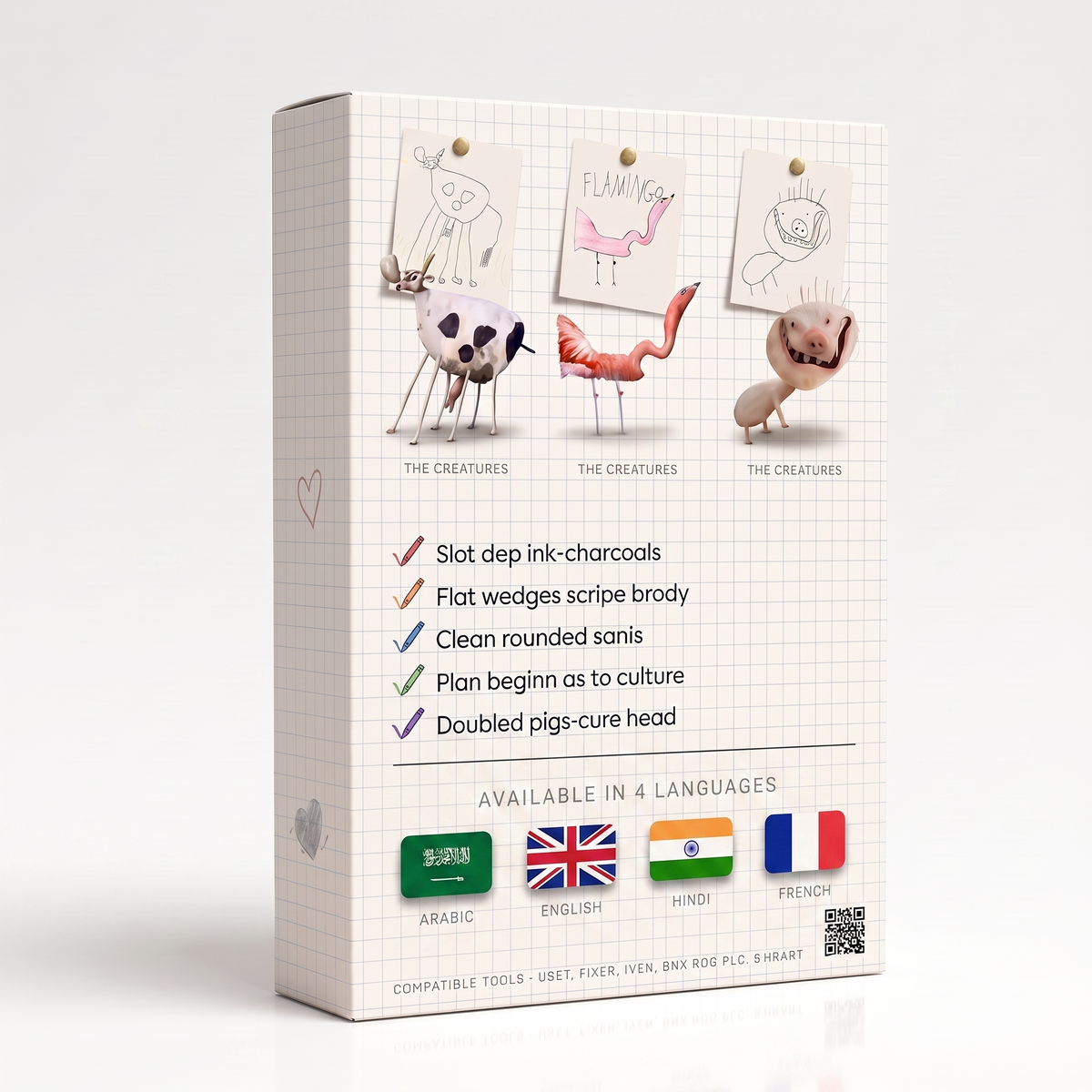


It tells them their idea was right
When an adult redraws a child's animal to make it correct, the child gets a clear message: my version needed fixing. Children read that quickly, and they respond in one of two ways. Some draw less. Others keep drawing but start checking first — smaller risks, safer animals, the shapes that were approved of last time.
This does the opposite. The seven legs come back as seven legs, rendered with the care a photographer would give a real animal. The child's decision is treated as the specification, not the mistake.
Grounded in: research on autonomy support — how the way adults respond to children's choices affects whether those children keep making choices.
